Inclusion in crisis. Solidarity beyond borders.
GEM works in Gaza and the West Bank to support LGBTQIA+, marginalized, and underrepresented communities facing additional barriers during conflict and humanitarian crisis.

Our approach brings an intersectional lens to humanitarian response, recognizing that crises do not affect everyone equally. Women and girls, LGBTQIA+ people, people with disabilities, and other marginalized communities can face additional protection, health, social, and economic barriers.
In Gaza, GEM worked through extensive coordination and liaison to establish humanitarian access and reach communities in extremely difficult operating conditions. Our response combines humanitarian assistance with inclusive approaches and discreet pathways for reaching LGBTQIA+ people and their families.
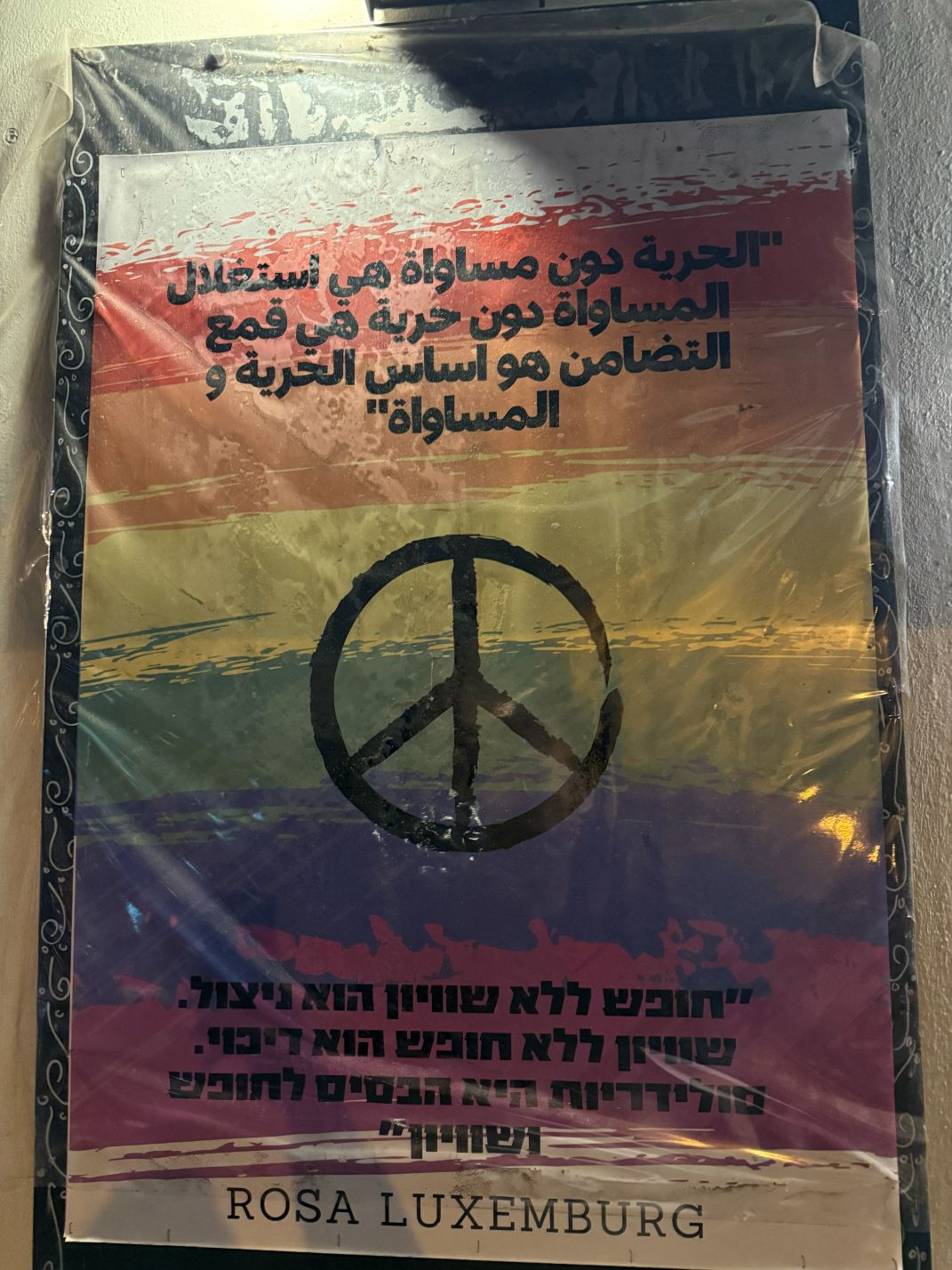
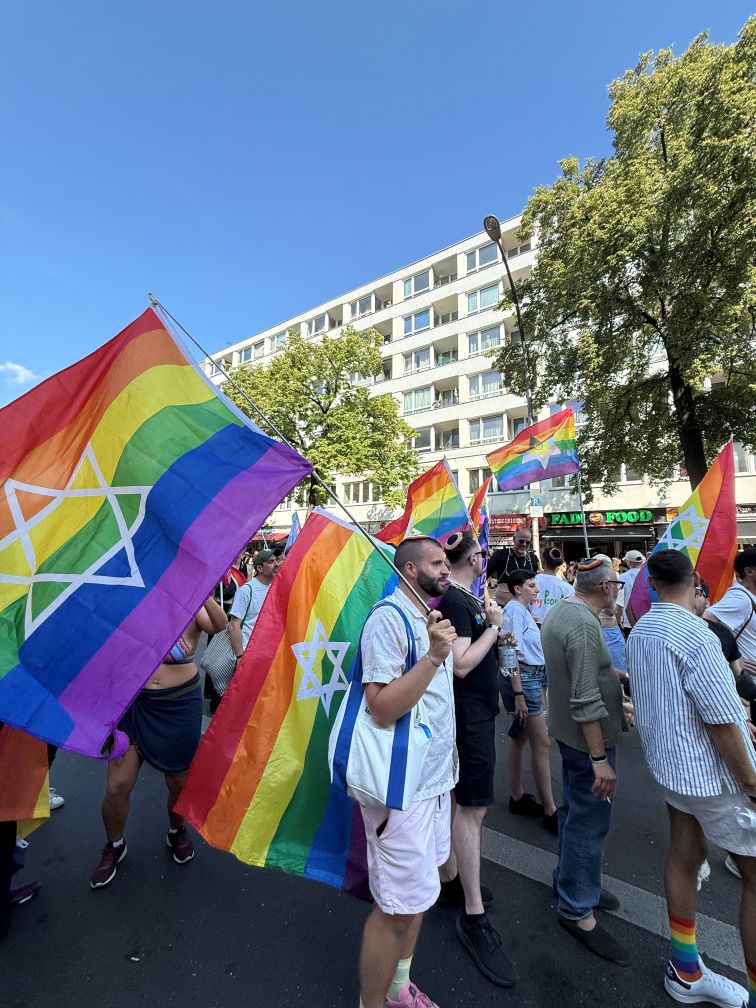
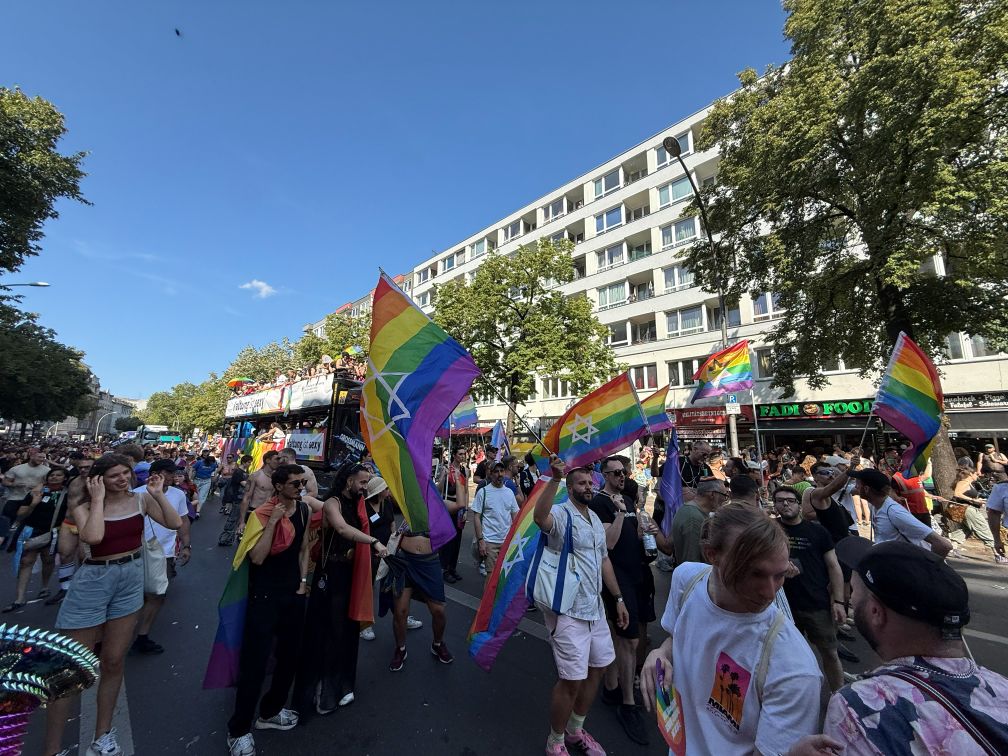
The dialogue workshop brought together participants from diverse and intersecting backgrounds for healing, dialogue, and community connection.
Reaching communities in Gaza required months of coordination, relationship-building, and navigating significant logistical and security barriers. GEM worked to establish humanitarian access and connect assistance with communities in areas where delivering support remained extremely challenging.
GEM integrated a gender- and inclusion-sensitive approach into humanitarian assistance, responding particularly to the needs of women and girls amid displacement, overcrowding, limited access to water, and deteriorating public-health conditions.
As needs evolved, the response expanded to essential food assistance through ready-to-eat meals, food boxes, bakeries, and community kitchens, connecting immediate humanitarian needs with a broader inclusion-centered response.
In contexts where visibility itself can create additional risk, GEM works through discreet and trusted community pathways to help LGBTQIA+ people and their families access support without requiring them to publicly disclose their identities.
GEM’s response is supported by people within affected communities themselves. Local and volunteer-led approaches bring community knowledge, proximity, and an understanding of rapidly changing needs into the humanitarian response.
Conflict creates more than immediate humanitarian needs. It can deepen trauma, polarization, social fragmentation, and divisions between communities, with particular consequences for people living at the intersection of multiple identities.
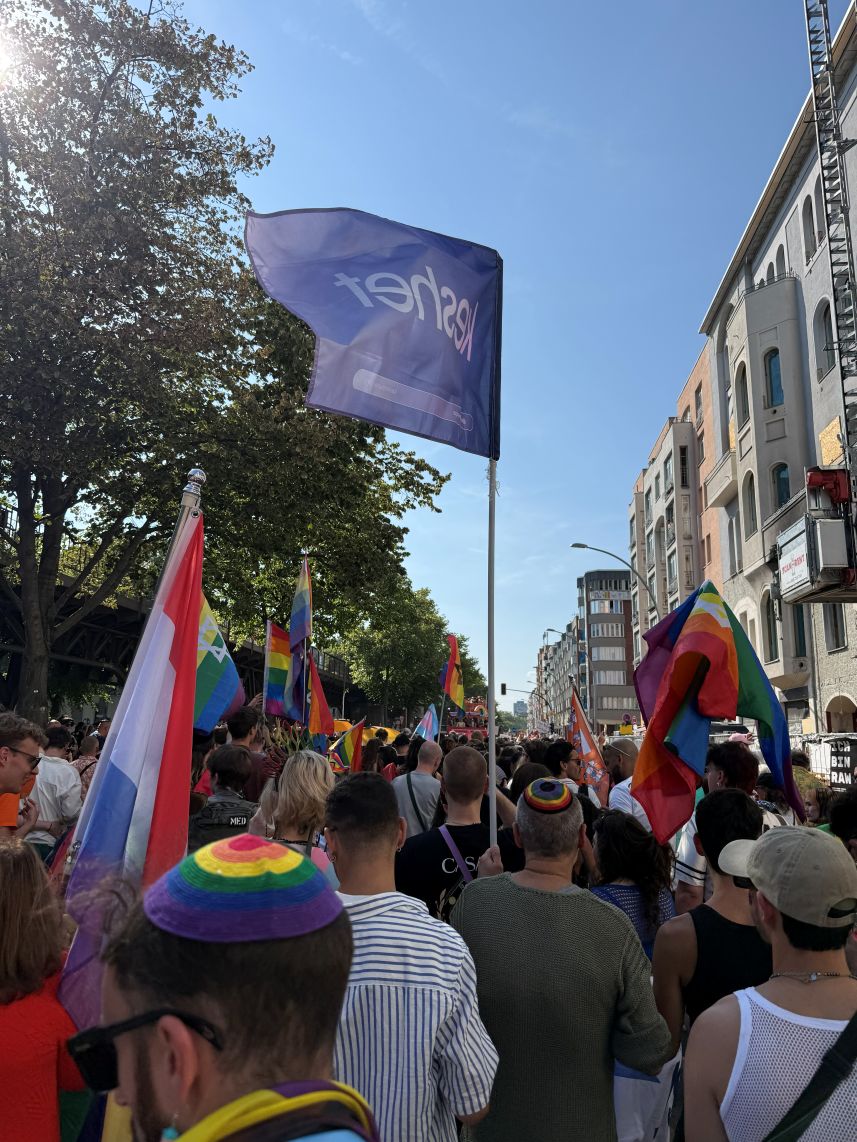
As part of its wider work connected to the crisis, GEM facilitated a community dialogue in Haifa, creating a safe and inclusive space for queer people from diverse and intersecting backgrounds to share experiences, reflect on identity and conflict, and build connections across political and cultural divides.
The initiative centered on three interconnected areas:
Participants described the space as an opportunity to be heard, build new relationships, and connect with people they may otherwise never have encountered. The experience also demonstrated interest in longer-term dialogue, training, and community-building opportunities.
“I met people I would never have crossed paths with otherwise.”
— Workshop participant
GEM sees its work in Gaza and the West Bank as extending beyond immediate emergency response.
As conditions allow and resources become available, our longer-term approach aims to connect humanitarian assistance with mental health and trauma recovery, livelihoods, professional development, technology and AI, capacity building, community support, dialogue, and peacebuilding.
Building on GEM’s experience in other crisis settings, this approach seeks to support people not only through immediate emergencies, but also as they recover, rebuild stability, strengthen economic independence, and reconnect with their communities. Professional development and online skills are among the areas identified for longer-term programming.
Emergency | Protection | Healing | Opportunity | Recovery
GEM seeks to continue and deepen its work in Gaza and the West Bank, building on the humanitarian access, community relationships, volunteer networks, and experience developed through the response.
As opportunities and resources allow, our work can expand from immediate humanitarian assistance toward longer-term recovery, resilience, livelihoods, mental health, inclusion, dialogue, and community-led action, while continuing to advocate for humanitarian and recovery responses that do not leave marginalized communities behind.