When every hour mattered.
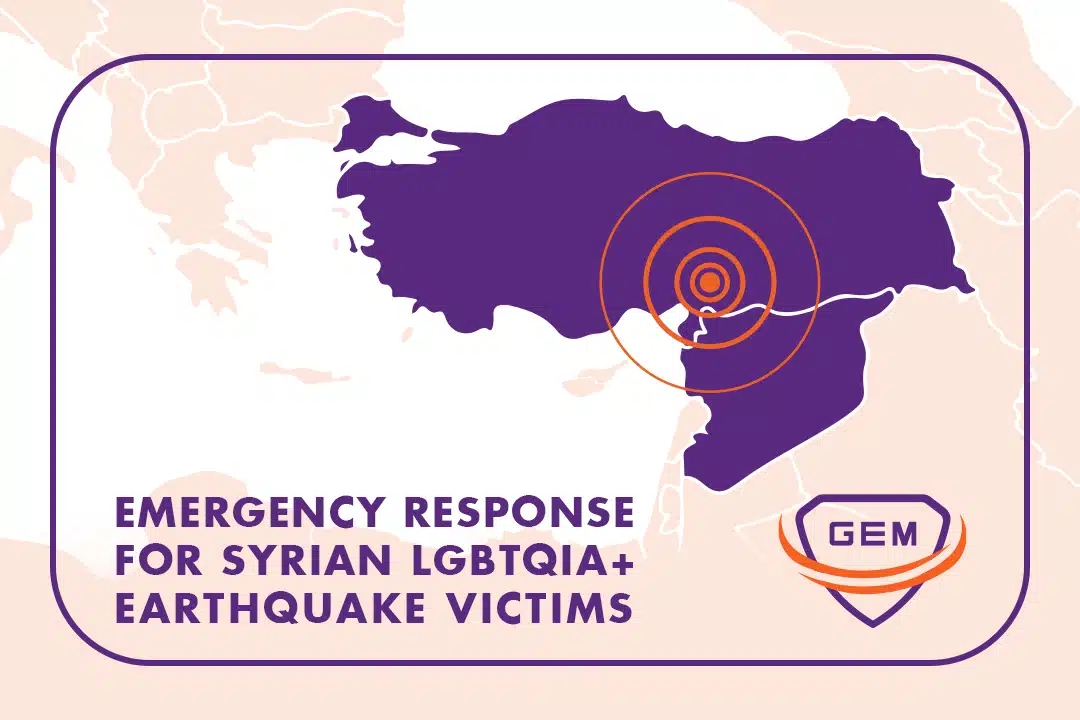
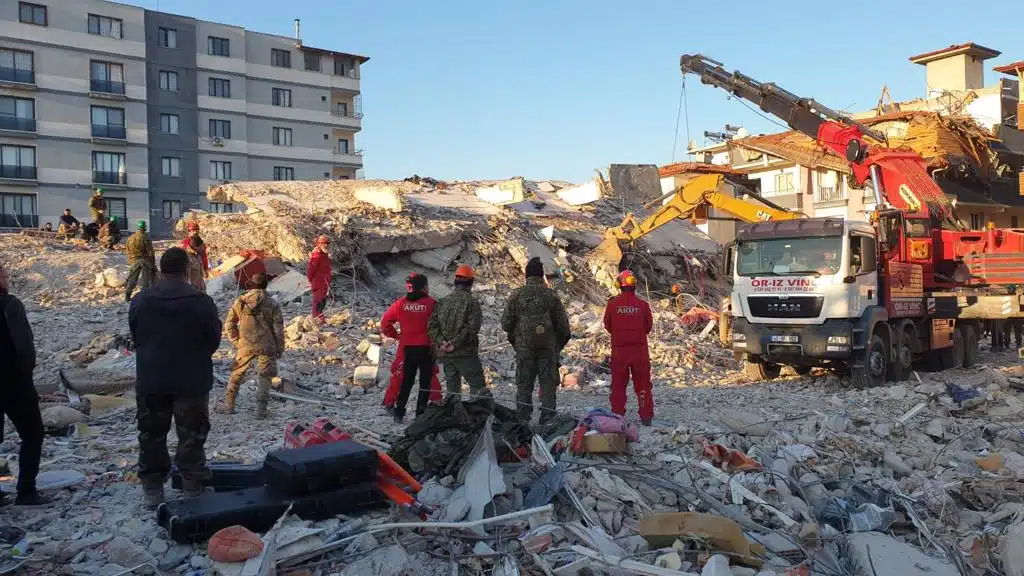
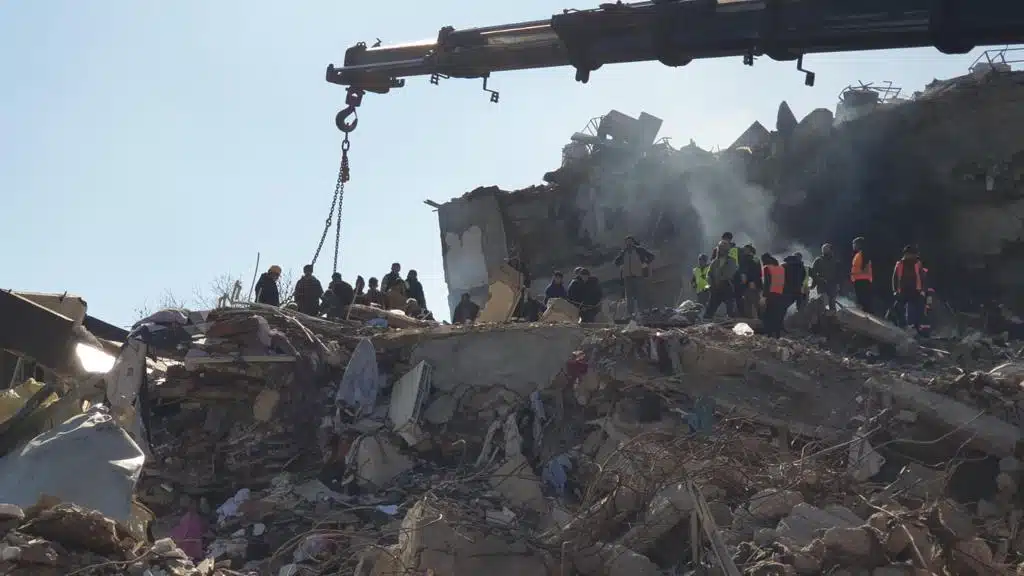
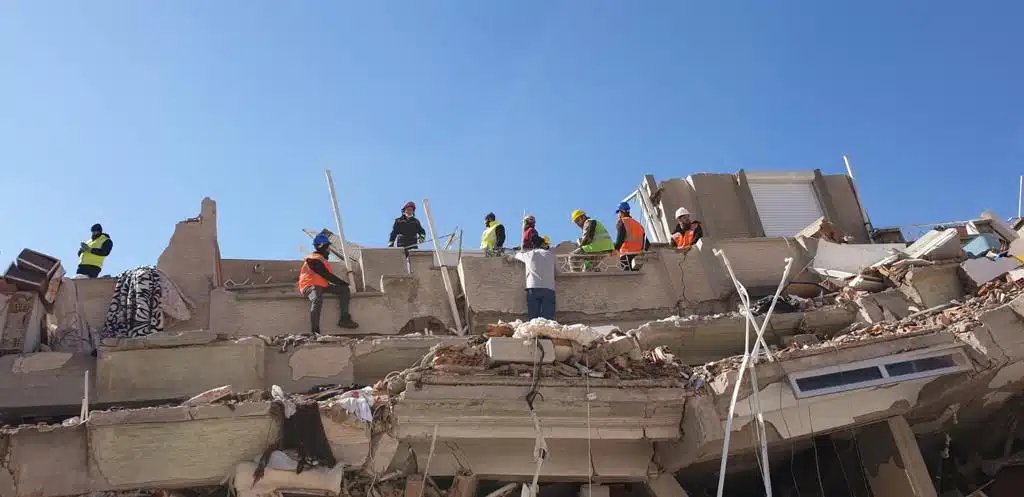
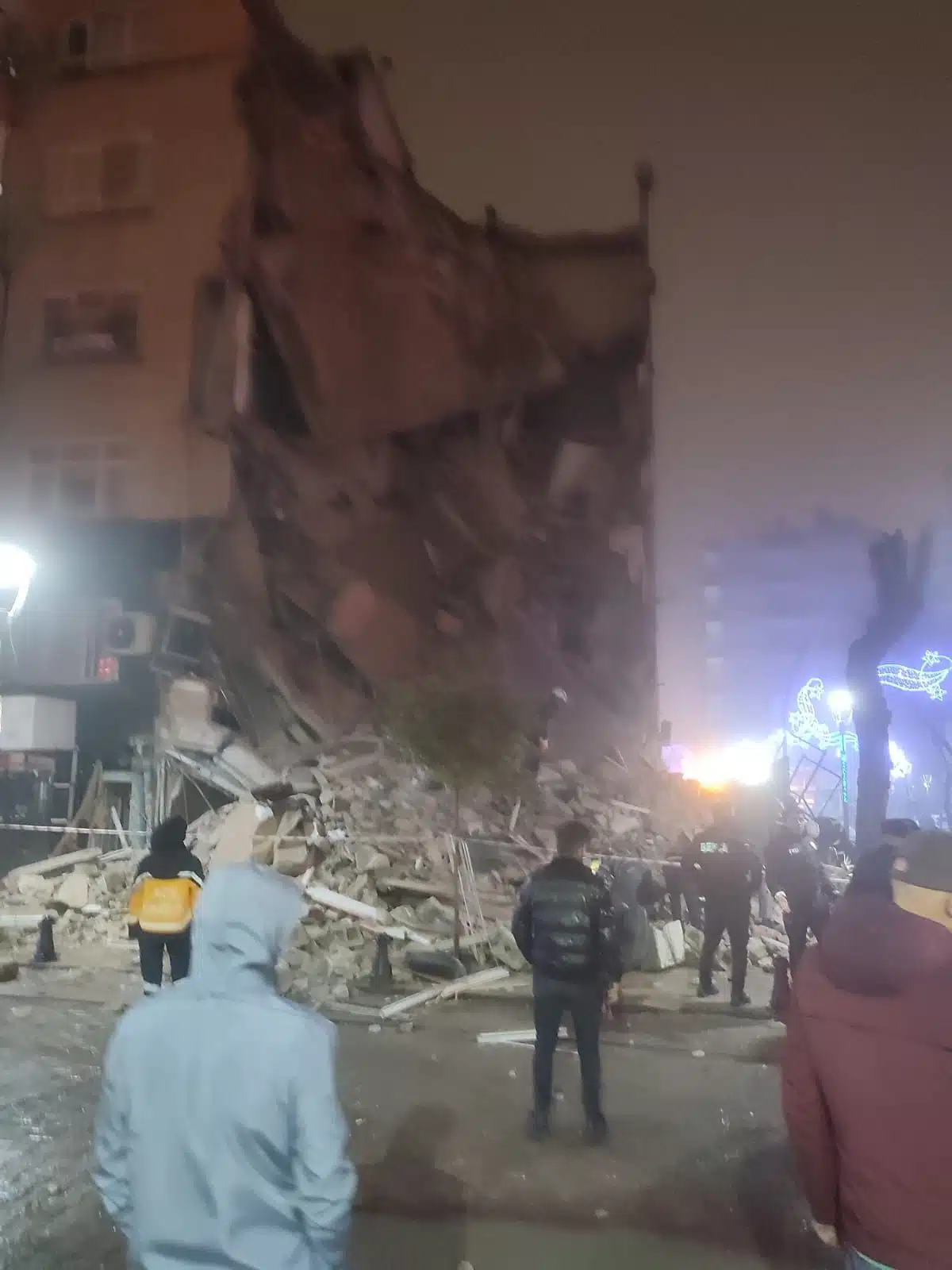
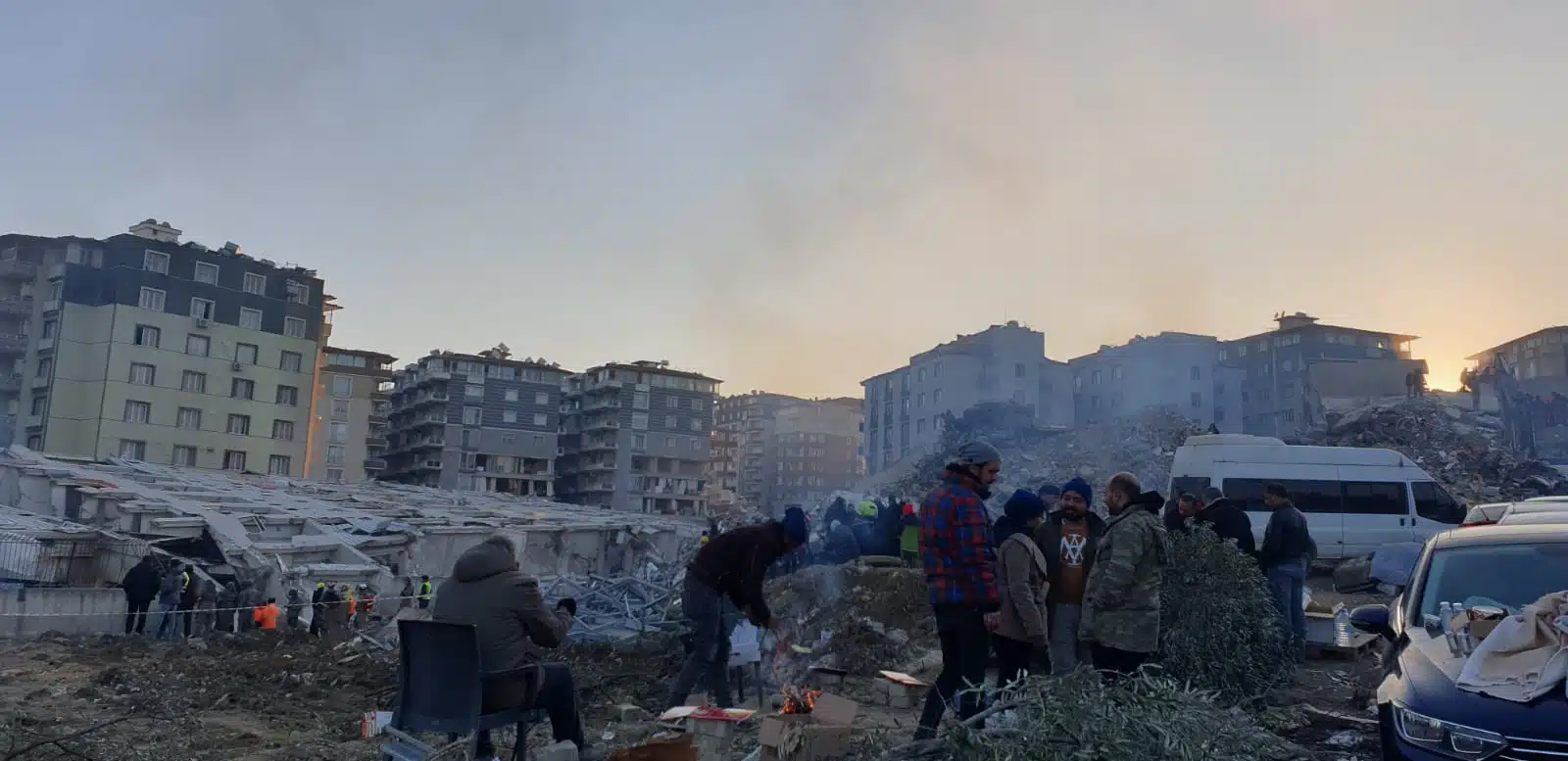
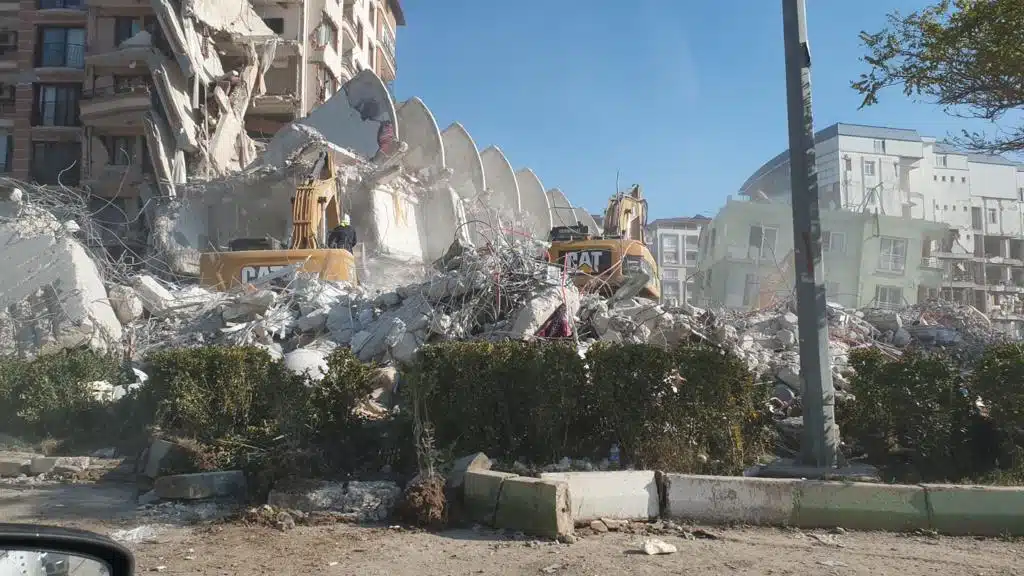
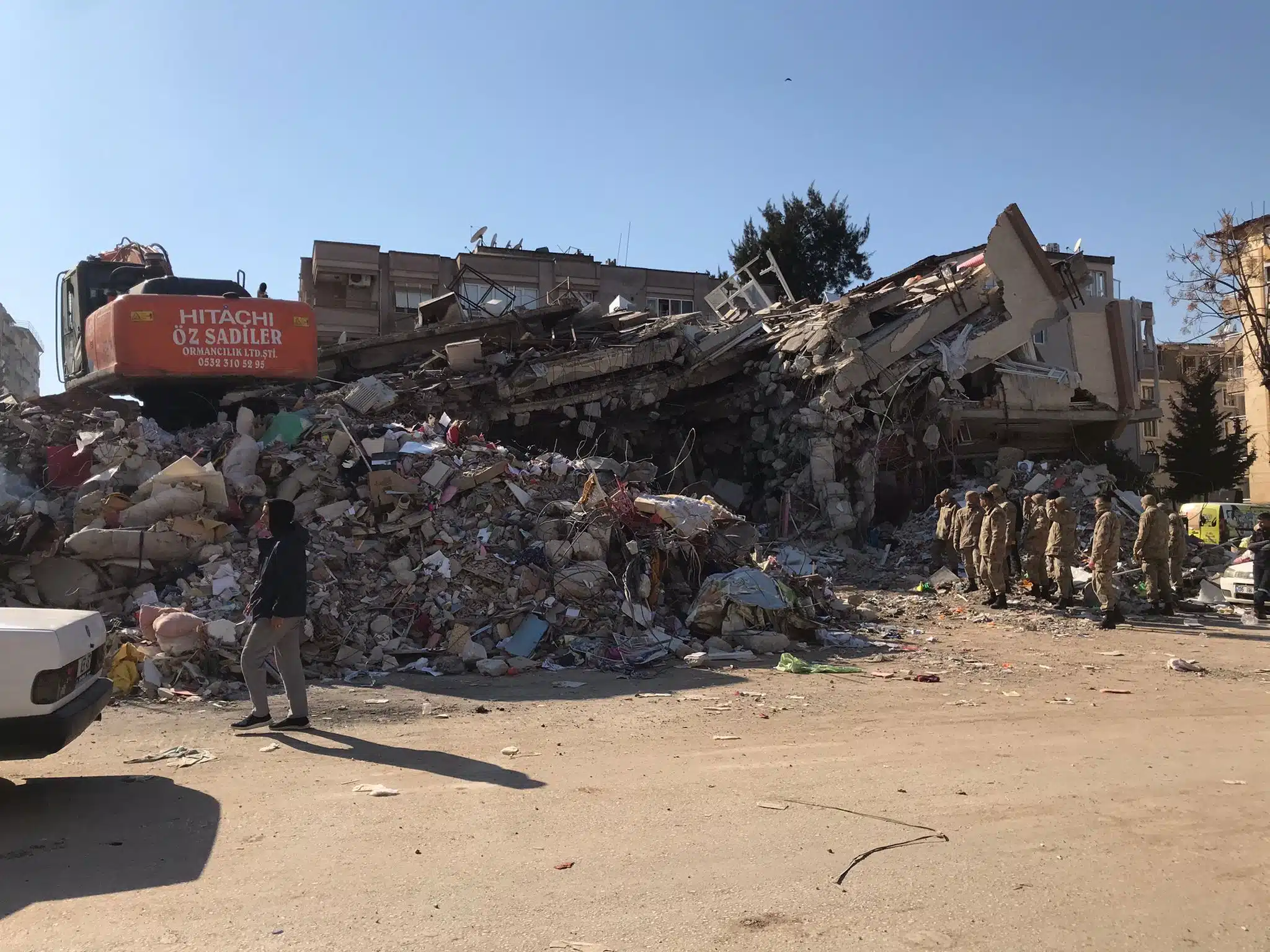
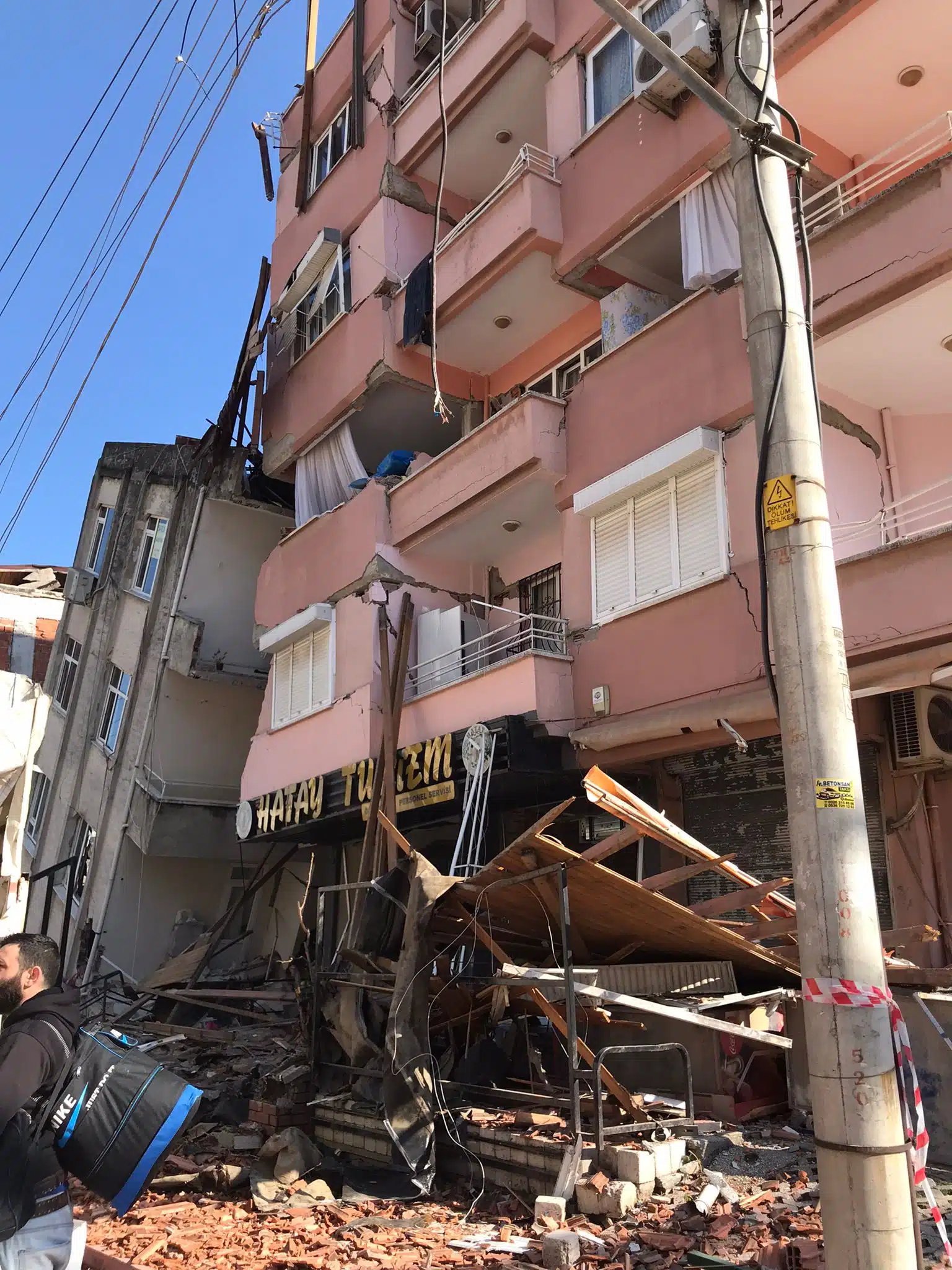
In the immediate aftermath of the earthquakes, GEM activated an emergency response for LGBTQIA+ people, activists, team members, and families affected across Syria and Türkiye.
Some had lost their homes. Others could no longer safely return to them. Many faced shortages of food, medicine, shelter, warm clothing, and other essentials.
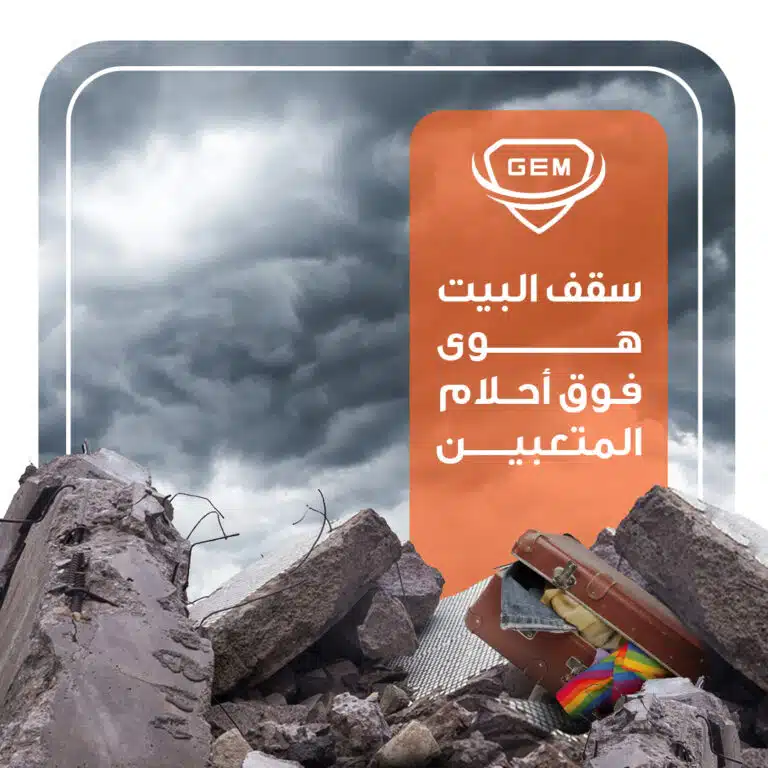
For LGBTQIA+ people, displacement could also mean losing privacy and being forced into environments where their sexual orientation or gender identity could expose them to discrimination, violence, or further insecurity.
Flexible assistance was particularly important because people were spread across a vast disaster zone and faced different circumstances and priorities.
LGBTQIA+ people affected by the earthquakes did not experience the disaster separately from the discrimination and persecution many were already navigating.
Homelessness, shared shelters, displacement, disrupted social networks, loss of income, and dependence on humanitarian systems could create additional exposure to discrimination and insecurity.
GEM therefore approached the earthquake not only as a humanitarian disaster, but also as a protection crisis.
As the model developed through Partners in Recovery, 387 individual protection consultations and tailored protection plans were delivered, while 256 people received case management and mental health support through safe and confidential channels.
From the earliest days of the earthquake response, GEM recognized that physical survival alone would not address the consequences of the disaster.
People were coping with trauma, grief, bereavement, displacement, fear, and the psychological consequences of losing homes, communities, and stability—often layered on top of earlier experiences of war, persecution, and forced displacement.
Mental health therefore became a central pathway in the recovery model that emerged from the earthquake response.
Through Partners in Recovery, GEM developed safe, identity-affirming and trauma-informed mental health and psychosocial support tailored to LGBTQIA+ lived experiences.
24.5 → 6.0
Depression Scores — PHQ-9
From severe to mild levels.
↓ 12+ points
Anxiety Scores — GAD-7
↓ 48+ points
PTSD Symptoms — PCL-5
Moving beneficiaries below the diagnostic threshold.
Nearly 2×
Coping Skills
These clinical measures showed substantial improvement following GEM’s trauma-informed and identity-affirming mental health interventions.
“Therapy not only helped me; I now feel empowered to help other people around me.”
Phase IV — Education Without Interruption
A disaster should not determine someone’s future.
The earthquakes disrupted education for students already navigating conflict, displacement, discrimination, and financial hardship.
GEM expanded its recovery approach to help students remain enrolled and continue learning.
49 Students Supported
Support was tailored to individual circumstances and included assistance with:
- Tuition & Registration
- Transportation
- Learning Materials
- Laptops & Equipment
- Other Education-Related Costs
Education became part of recovery because restoring stability means helping people protect not only their immediate safety, but also their future.
Because protecting someone’s future is also part of protection.
Phase V — From Recovery to Economic Independence
From surviving today to building tomorrow.
As immediate emergency needs evolved, another challenge became increasingly important: economic independence.
Displacement and crisis can interrupt employment, education, professional development, and access to traditional workplaces—particularly for LGBTQIA+ people facing discrimination and security barriers.
GEM therefore incorporated:
Professional Development, AI & Digital Livelihoods
This pathway builds professional and digital skills, expands access to remote work and technology, integrates AI into professional development, and creates pathways toward income and greater economic independence.
50 LGBTQIA+ People Participated in Professional Development Programming
Technology became more than a tool for delivering services. It became a pathway for people facing geographical, security, social, and economic barriers to access opportunities differently.
From exclusion to skills. From skills to income.
Flexible Assistance for Changing Realities
When the crisis changed, the program changed with it.
Recovery rarely follows a predictable path.
People may move between emergency, protection, recovery, and renewed crisis. A person who has regained stability can suddenly face displacement, persecution, unemployment, or another emergency.
That is why flexibility became central to the model.
108 People Received Flexible Cash Support
Flexible assistance addressed displacement, loss of income, urgent needs, documentation, relocation, and pathways toward greater safety and stability.
Rather than forcing people into a single predetermined form of assistance, GEM sought to adapt support as circumstances changed.
When the crisis changed, the program changed with it.
From Earthquake Response to Partners in Recovery
Recovery doesn’t happen in a straight line.
The earthquake response changed GEM.
After providing immediate emergency assistance, we recognized that communities needed much more than short-term relief.
People needed opportunities to heal, continue their education, rebuild livelihoods, regain stability, strengthen their communities, and move toward independence.
That realization became:
Partners in Recovery
One Program. Multiple Pathways to Recovery.
Partners in Recovery grew directly from GEM’s response to the 2023 earthquakes in Syria and Türkiye.
What began as a response to one devastating disaster evolved into a flexible, multi-year model supporting LGBTQIA+ communities navigating overlapping crises, conflict, displacement, discrimination, persecution, and economic and social instability.
Across its development:
957 Individuals Sought Support Through GEM
335 People Were Directly Supported Through Partners in Recovery
And the program connected multiple pathways:
- Protection & Case Management
- Mental Health & Healing
- Education Continuity
- Professional Development, AI & Digital Livelihoods
- Flexible & Emergency Assistance
- Capacity Building & Inclusive Response
- Local & Domestic Initiatives
Emergency → Protection → Healing → Opportunity → Resilience
A Rare LGBTQIA+-Centered Crisis Response
The earthquake struck within a humanitarian landscape where LGBTQIA+ people were often overlooked, underserved, or unable to safely access mainstream assistance.
GEM’s response was built specifically around those realities.
What began as one of the rare crisis responses centered on LGBTQIA+ communities evolved into a model connecting emergency assistance with longer-term protection, healing, education, livelihoods, and resilience.
“I felt at that time that my life was important to someone.”
For GEM, that is what humanitarian inclusion ultimately means: not simply counting people reached, but ensuring that people who might otherwise be excluded can access safety, dignity, and opportunity.
Supporting Recovery From the Ground Up
Recovery must reach communities where they are.
The earthquake reinforced another lesson: recovery cannot be built entirely from outside affected communities.
Through Partners in Recovery, GEM supports local and domestic initiatives, volunteer-led teams, grassroots groups, and actors working in remote and underserved areas.
The approach supports both LGBTQIA+-led initiatives and broader initiatives that meaningfully include LGBTQIA+ people—strengthening inclusive humanitarian action, social cohesion, reconciliation, and peaceful coexistence.
Resources closer to communities. Inclusion closer to the ground.
From One Crisis to a Model for Many
The February 2023 earthquakes were not the last crisis our communities would face.
Conflict, displacement, political transition, criminalization, persecution, and economic instability continued to reshape people’s lives across the region.
Instead of treating recovery as a fixed project with a fixed endpoint, GEM developed an adaptive recovery model.
Partners in Recovery eventually expanded beyond the earthquake context as GEM adapted its approach to changing crises across Syria, Lebanon, Iraq, Türkiye, Jordan, Egypt, and beyond. The program’s support channels and interventions evolved as circumstances changed.
“GEM is a source of safety for me.”
What the Earthquake Taught Us
The earthquake response became one of the defining experiences in GEM’s development as a humanitarian and recovery organization.
It demonstrated that LGBTQIA+-inclusive humanitarian action must connect immediate survival with what comes afterward.
- Emergency assistance without protection is incomplete.
- Protection without mental health support leaves trauma untreated.
- Healing without education and livelihoods can leave people trapped in instability.
- Economic opportunity without access to skills and technology can remain out of reach.
- Recovery without local communities cannot be sustainable.
- That is why an emergency response ultimately became something much larger.
- People need more than survival. They need the opportunity to recover.
A Response That Became a Legacy
From one of our greatest emergencies came one of GEM’s most important programs.
The earthquake response began with an immediate question:
How do we help people survive?
Over time, that question became much larger:
How do we help people recover, rebuild their lives, regain independence, and become more resilient to the next crisis?
The answer became Partners in Recovery.
From emergency cash and relocation to protection, mental health, education, professional development, AI and digital livelihoods, and locally led recovery, the program reflects a lesson that has shaped GEM’s humanitarian work ever since:
Recovery is more than returning to where you were. It is about creating the conditions to move forward.